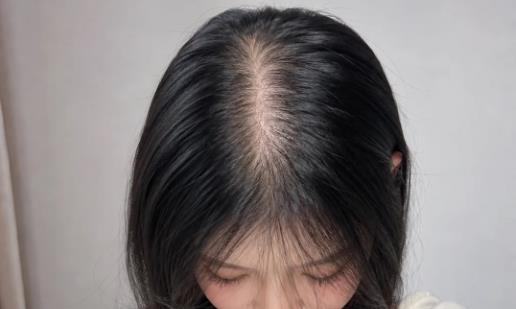
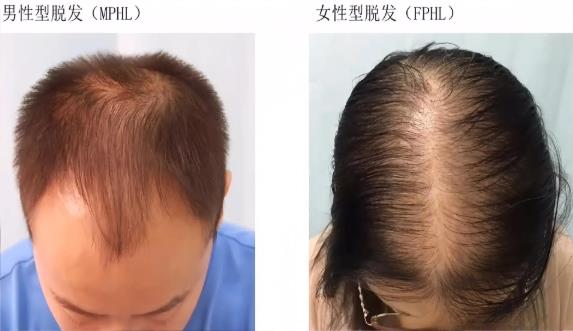
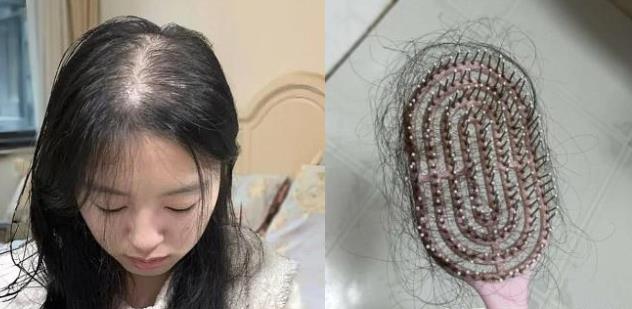
Can scalp therapy treat hair loss?
Scalp therapy is becoming more and more popular, and for good reason. Look around you: people in their twenties with receding hairlines, people in their thirties with thinning crowns, and postpartum women losing handfuls of hair. Staying up late, working overtime, stress, and irregular eating habits—hair is often the first thing to protest.
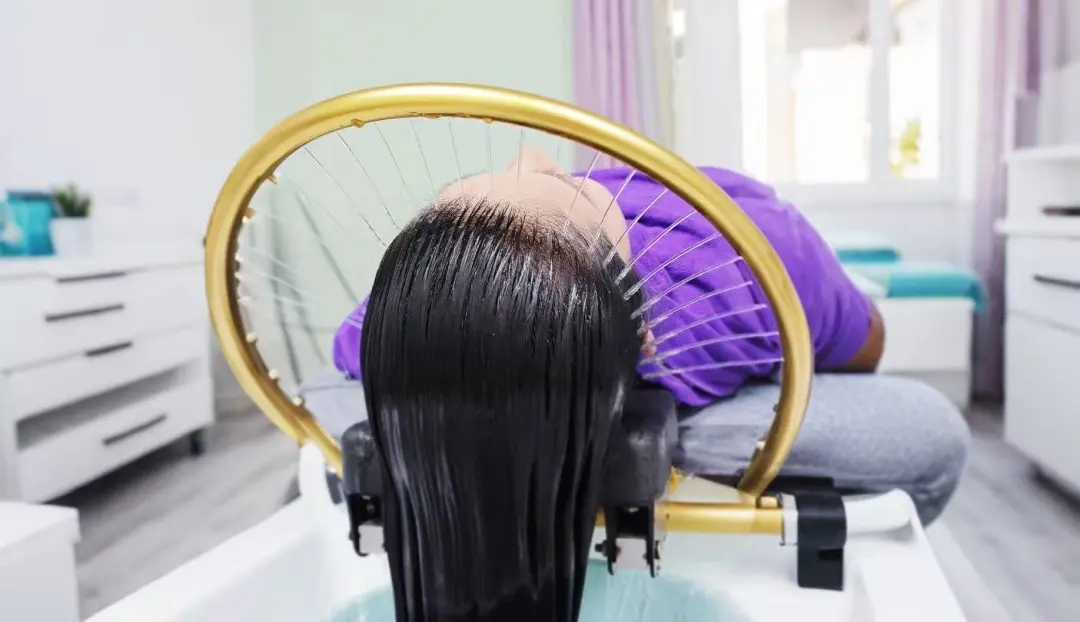
So here’s the question—can scalp therapy actually treat hair loss?
To be honest, you can’t simply say “yes” or “no.” There are too many causes of hair loss: some people have androgenetic alopecia, some have postpartum hormonal fluctuations, some have stress-related or late-night hair loss, some have clogged hair follicles from oily scalp, and some are related to qi and blood deficiency or liver and kidney deficiency. Different causes mean completely different care directions. If you use one method for everyone, the results will naturally vary.
But one thing is certain: no matter what type of hair loss you have, if the scalp environment is poor and the hair follicles are unhealthy, hair will not grow well.
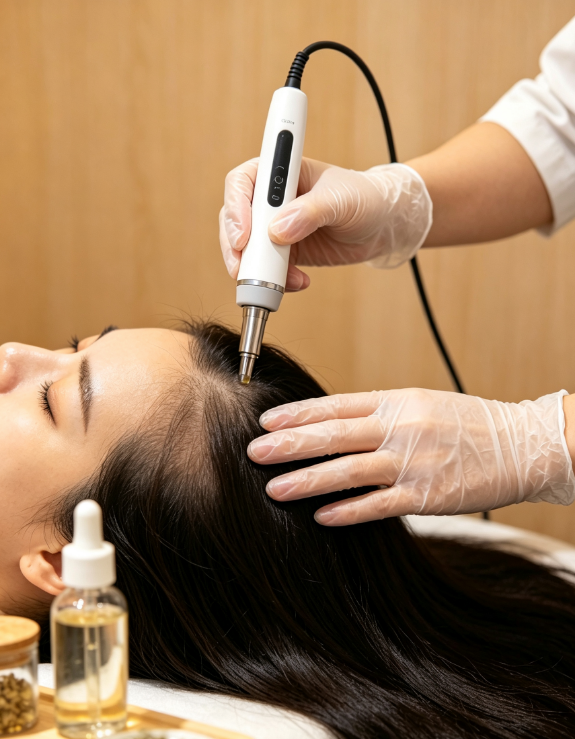
It’s like farming. If the soil is compacted, lacks water, or has pests, spraying water and fertilizer on the leaves alone won’t help the crops grow well. You have to loosen the soil, deal with the pests, and water it thoroughly so the roots can take hold. The scalp is the soil for the hair follicles, and the hair follicles are the roots of the hair. If the scalp environment is unhealthy, no matter how expensive the hair growth products are, it’s useless.
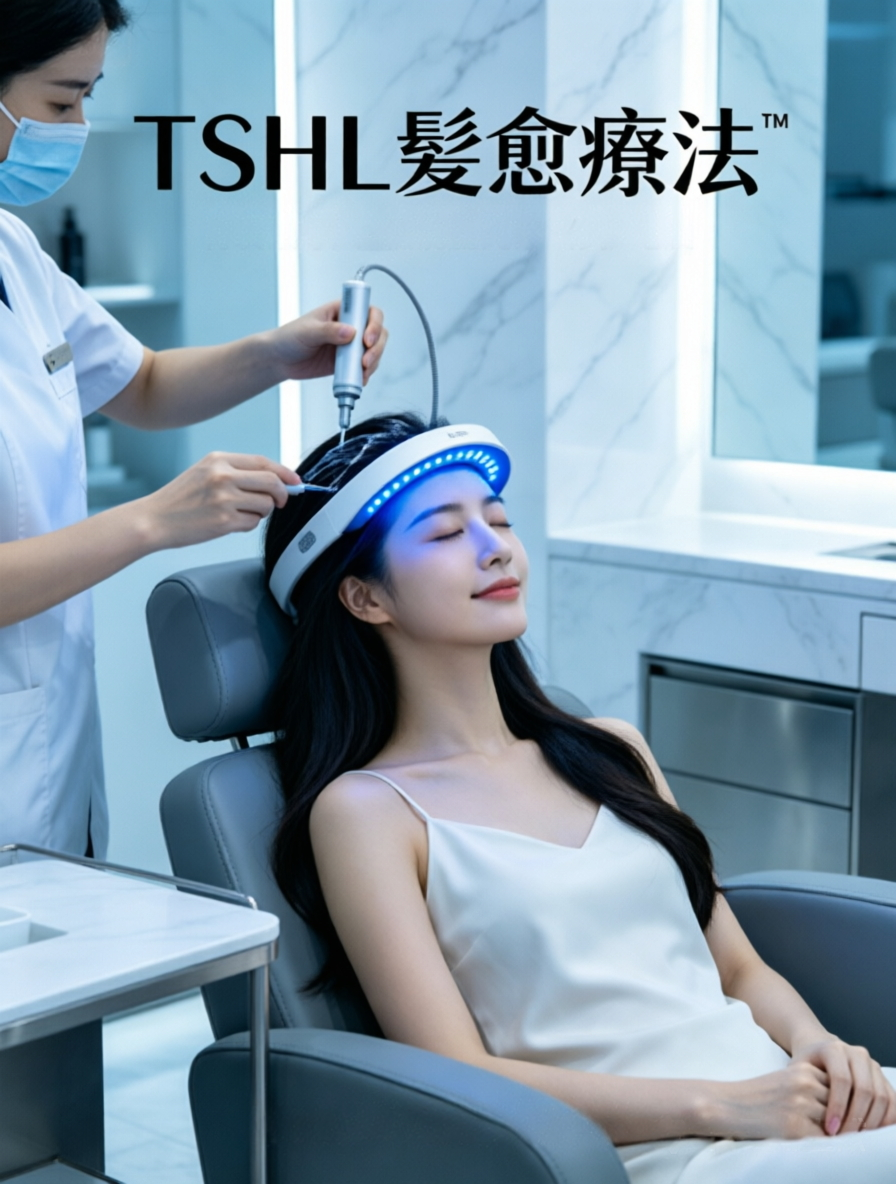
The core of solving hair loss is one sentence—nourish the scalp = nourish the hair follicles = nourish the hair. This is also the conditioning philosophy that Gongfangtang · TSHL Scalp Care Center has always insisted on.
The TSHL Hair Revitalising Therapy™ they offer is not just a simple hair wash and a few rubs. Instead, it first uses a professional scalp and hair follicle examination to clearly see your hair follicle vitality, oil secretion, degree of inflammation, and scalp sensitivity. Are your hair follicles shrunken or clogged? Is your scalp oily or sensitive? Is your hair loss ongoing or already stable? These details determine the direction of subsequent care, rather than guessing or following trends.
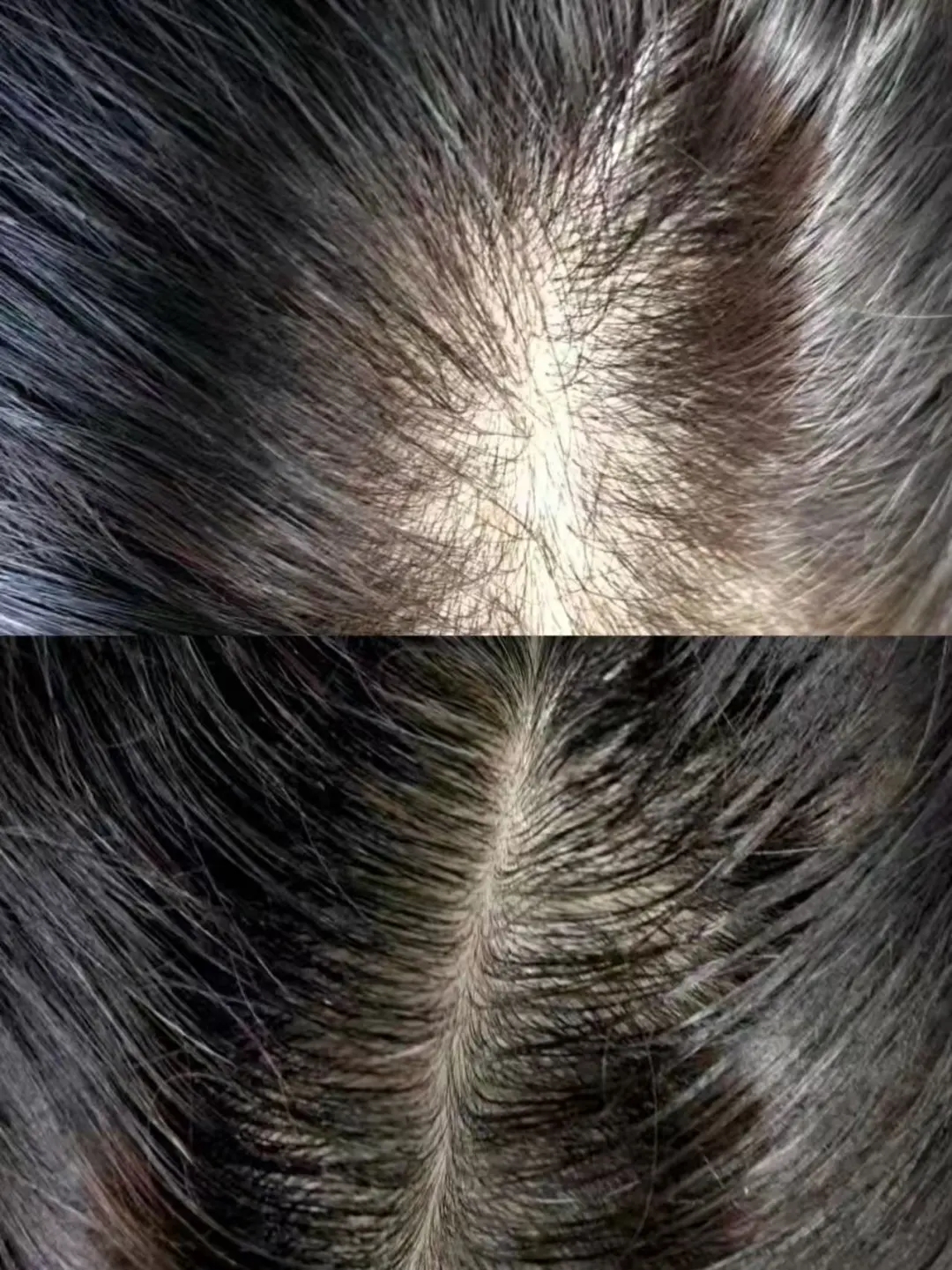
After seeing clearly, they then create a personalized “internal regulation + external care” plan based on your type of hair loss and constitution. For oily scalp with inflammation, gently control oil and reduce inflammation first to clean up the scalp environment; for those with insufficient qi and blood and poor nutrition, combine TCM conditioning ideas with scalp care; for hair loss caused by long-term late nights and stress, while improving the scalp condition, they also give advice on adjusting lifestyle habits. From deep cleansing, hair follicle nourishment to soothing conditioning, they help the scalp return to a healthy state step by step, reduce abnormal hair loss, and let hair slowly regain strength.
Suitable for:
Receding hairline, thinning crown
Androgenetic alopecia, postpartum hair loss
Stress-related hair loss, adjunctive management of alopecia areata
Premature graying, fine soft hair, brittle hair
Hair growth, hair strengthening, and root nourishment
If you are also troubled by hair loss, instead of blindly trying various shampoos and hair growth products, it is better to first have a professional hair follicle examination to figure out where the problem actually is before taking action. When the direction is right, hair care will not be wasted.
This article provides general educational information and is not medical advice.