Severe hair loss is definitely a major headache for modern people. Many have heard that rubbing ginger on the scalp promotes hair growth, so they just take a whole piece of raw ginger and rub it aggressively on their scalp. The result? Either they see absolutely no effect, or their scalp becomes red, stinging, and their hair loss gets even worse.
Many people believe in this folk remedy because they heard that the components in ginger can speed up scalp blood circulation, help with metabolism, and activate hair follicles. The TCM physician at Singapore GFT Nano Scalp Care Centre explains that theoretically, the temporary warming sensation of ginger juice does dilate blood vessels, but they strongly advise against rubbing raw ginger directly on the scalp. It is very hard for the average person to control the force and frequency. If you rub it too much or too often, the irritating components in the ginger will burn the scalp barrier. In mild cases, it causes redness and allergies; in severe cases, it can cause skin breakage and inflammation, damaging the hair follicles that are actually still "working hard". This makes it even harder to nourish your hair later on.
Hair follicles are very delicate and hate being messed around with blindly. When people panic, they try every home remedy and viral hair growth product online one by one. They spend a lot of money but end up missing the golden window for hair care.
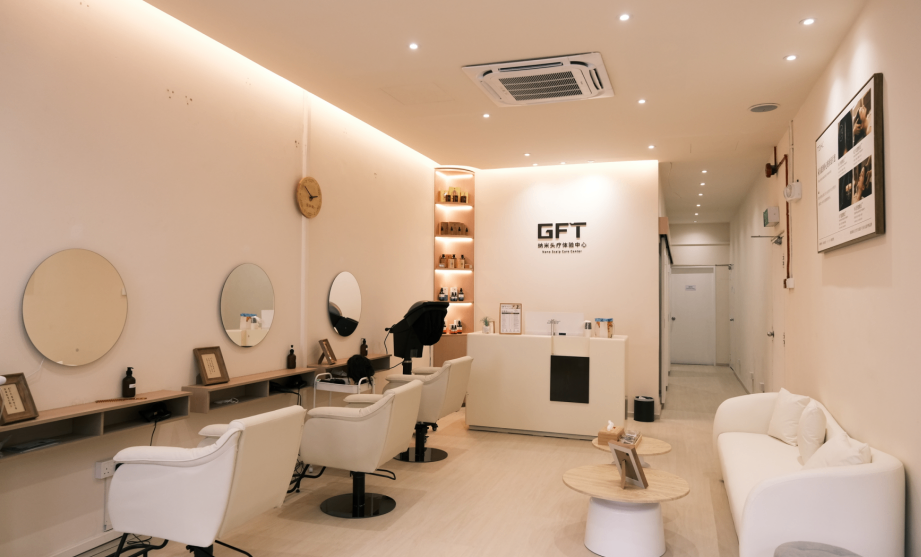
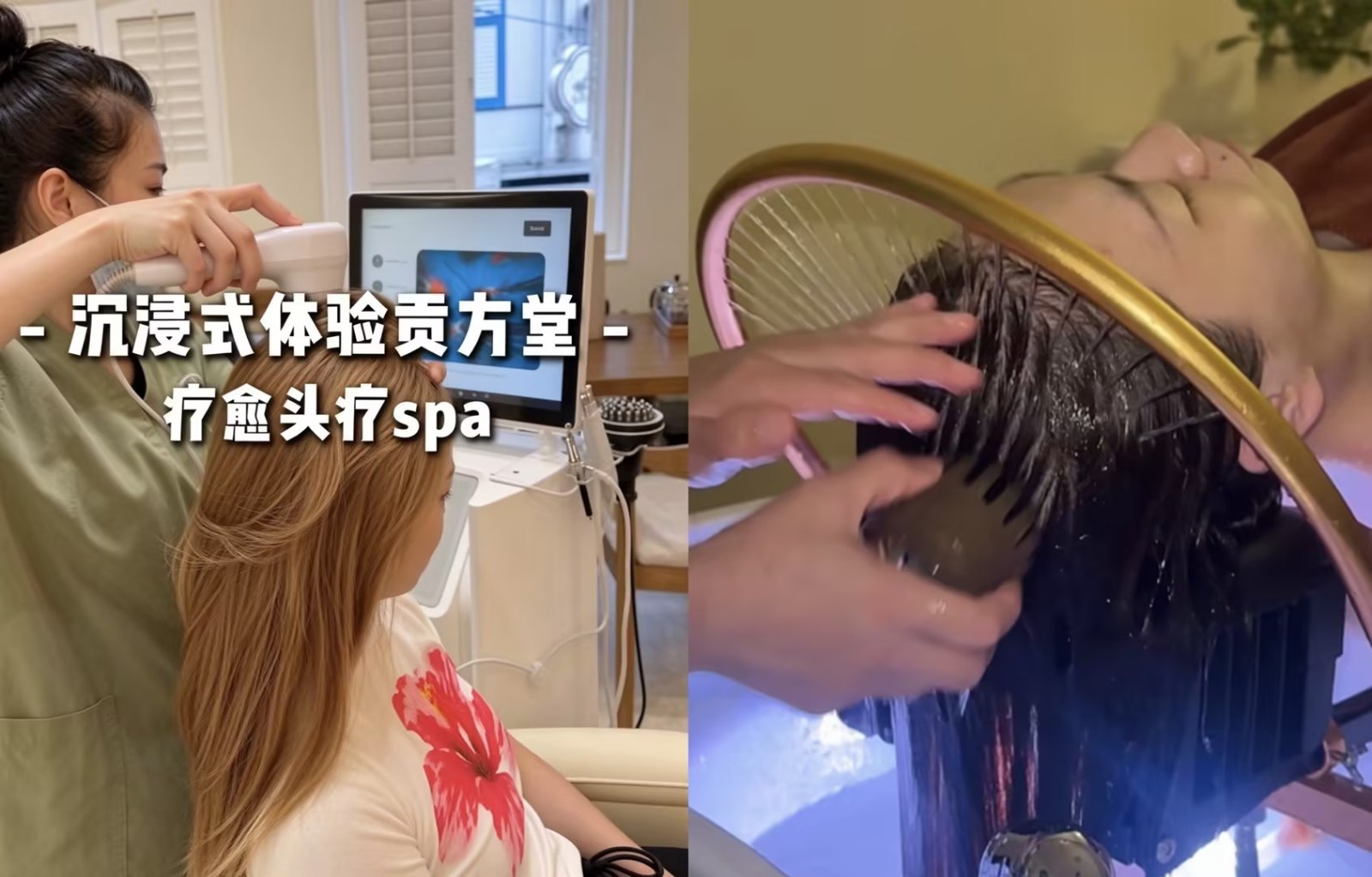
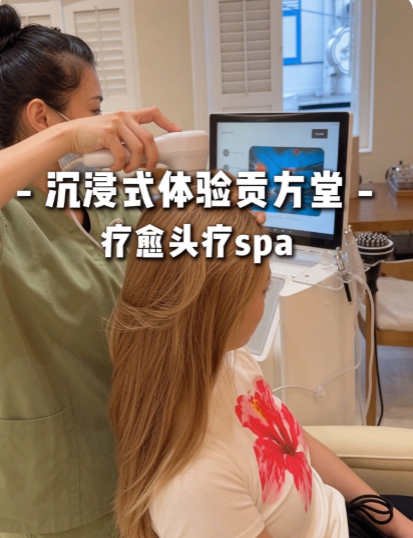
To nourish your hair, the first step isn't rushing to apply medicine or topical treatments. It's getting a clear picture of your hair follicles' condition first. Come to GFT Nano Scalp Care Centre for a follicle scan. The whole process takes only about ten minutes. Under the magnified device, you can see clearly whether your hair follicles are just temporarily dormant—"on temporary leave"—or already shrunken, dead, and permanently "off duty".
The treatment for these two situations is completely different. Dormant follicles still have a chance to slowly recover with proper care. But if the follicles are already dead, no amount of home remedies will grow new hair.
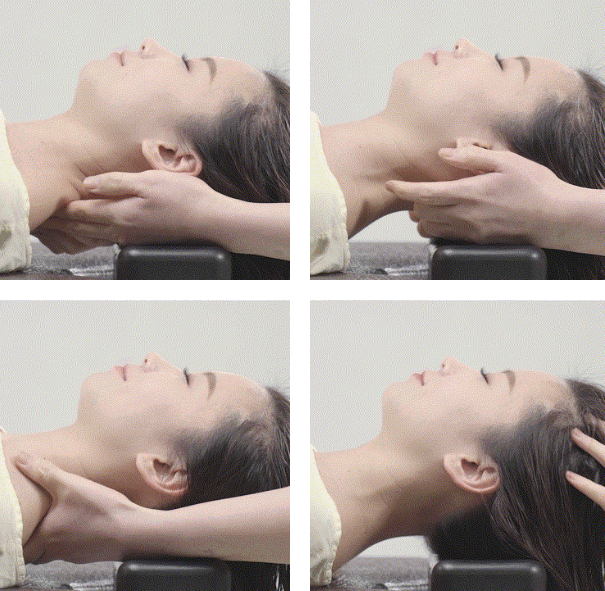
GFT Nano Scalp Therapy is different from ordinary hair washing or simple scalp massage. It's a scalp care treatment based on TCM principles. TCM says "hair is the surplus of blood." If the scalp meridians are blocked and qi and blood cannot reach the hair roots, the hair follicles lack nutrients, which is why hair becomes fine, soft, and prone to falling out. Nano technology breaks down herbal nutrients into tiny molecules, making it easier to penetrate the scalp surface and reach the hair follicle roots. Combined with unblocking head acupoints, it slowly regulates the blocked scalp environment, providing a comfortable growing environment for the follicles.
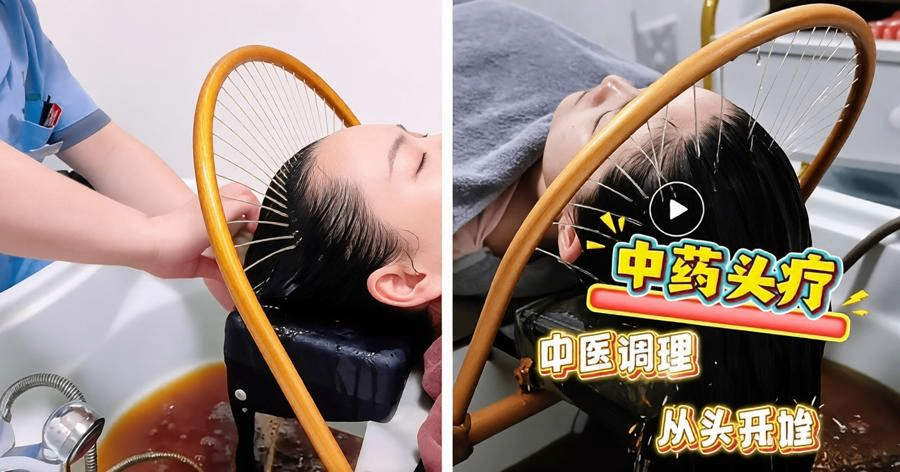
They don't use a one-size-fits-all protocol right from the start. They customise the treatment plan based on each person's scalp oiliness, body constitution, lifestyle, and type of hair loss. Some people lose hair due to high stress and deficient qi and blood, while others have hair follicles clogged by heavy scalp oil. The focus of the treatment is completely different.
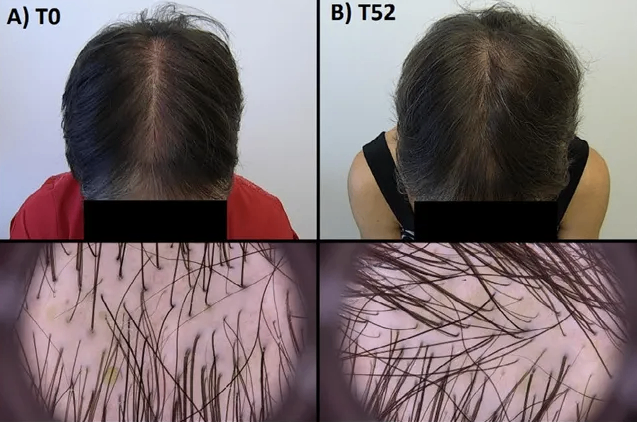
Many customers have fallen into the traps of home remedies before, leaving their scalps sensitive and fragile. After a follicle scan and regular nano scalp therapy, they slowly see their hair fall stabilise and new fine baby hairs start to grow.
Here's a word of honest advice: once a hair follicle is completely dead, it cannot be restored. Instead of searching for home remedies to try blindly, come to GFT Nano Scalp Care Centre for a scalp scan first. Understand your scalp's real condition, choose scientific care, and avoid taking the wrong path.
This article provides general educational information and is not medical advice.