At menopause, many women notice something frustrating: Not only do moods become irritable and sleep become restless, but when combing or washing hair, it falls out in handfuls. The hair parting gets wider, the crown gets thinner, and it makes you look much older. What can be done?
Many people think that at this age, hair loss is normal and you just have to live with it. But think about it: if crops aren’t growing well, sighing won’t help. You need to check whether the soil is compacted, lacking water, or lacking nutrients. The scalp is the same. The scalp is the “soil” where hair grows. Once the scalp’s health is out of balance, problems like hair loss, white hair, oily scalp, and dandruff will follow one after another.
Why is hair loss worse during menopause? Simply put, the body’s “foundation” is changing. In TCM, at this stage, a woman’s kidney qi gradually declines, the Chong and Ren meridians become deficient, and qi and blood are not as abundant as before. When qi and blood cannot nourish the top of the head, hair follicles are like soldiers cut off from supplies—they gradually shrink. Add hormonal fluctuations, and the scalp becomes either oily or dry. Once the follicle openings are clogged, hair becomes even harder to keep.
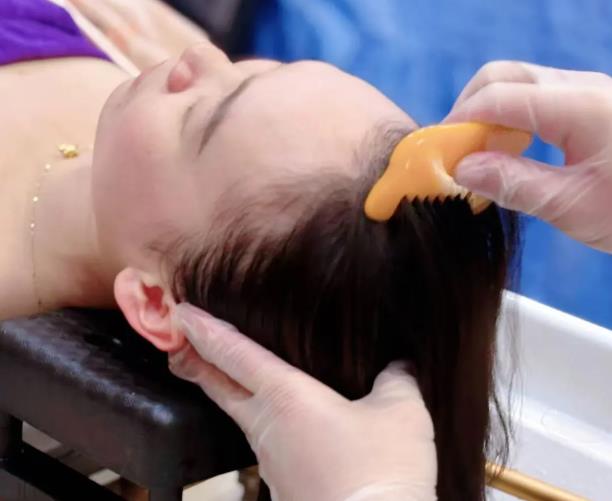
GFT Nano Scalp Care Centre is here to help you recondition this “soil”.
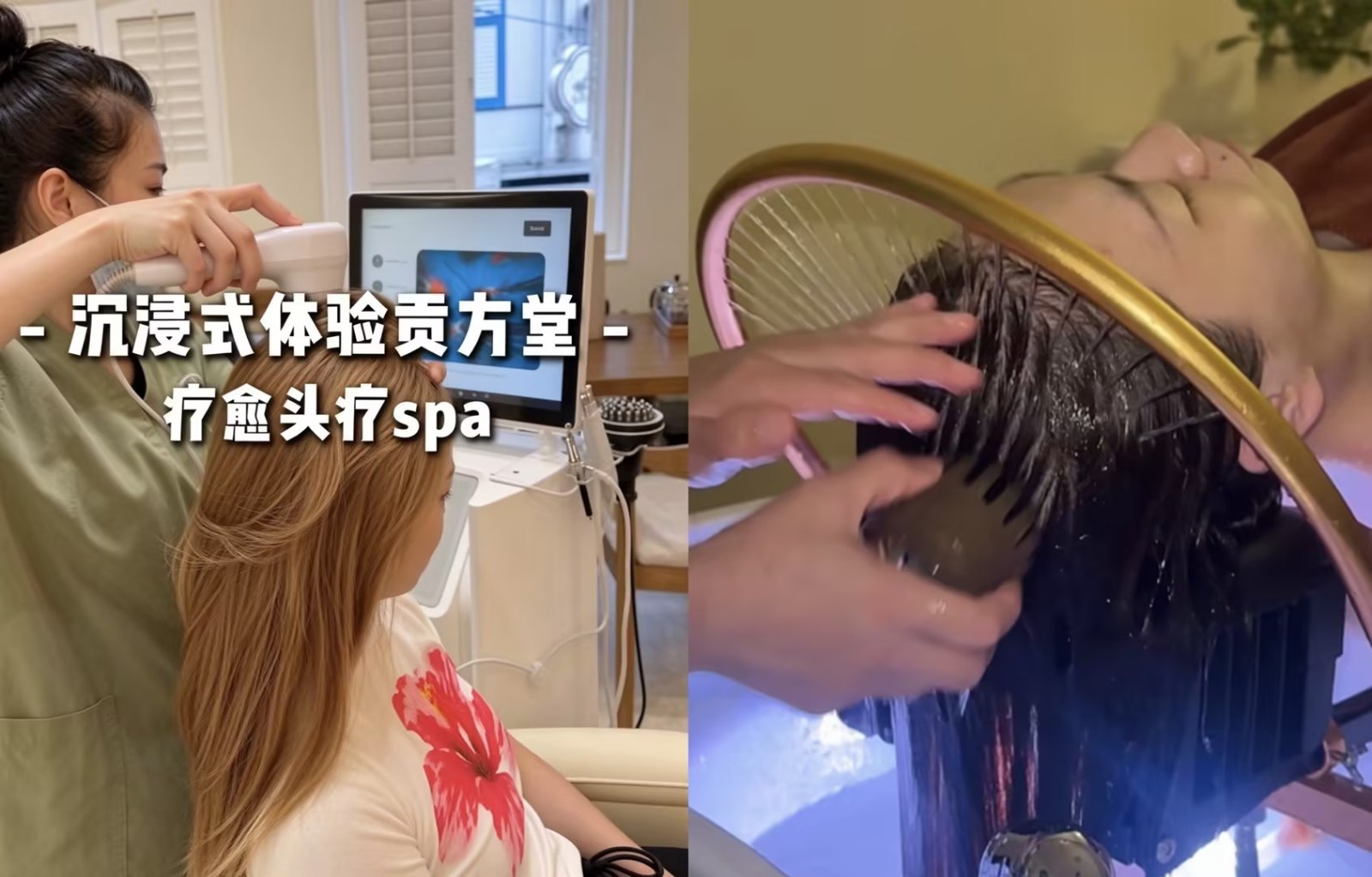
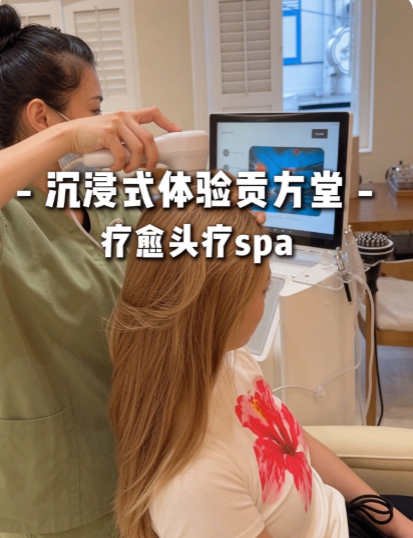
Step 1: Scalp scan first. They don’t start washing or applying anything right away. First, they use a magnifying device to check whether the follicle openings are clogged, how much oil there is, the ratio of thick to thin hair, and whether the hair follicles are still alive or already shrinking. You’ll know exactly how serious your hair loss is.
Step 2: TCM diagnosis and customised prescription. Everyone’s constitution is different—some have kidney deficiency, some have blood deficiency, some have liver qi stagnation, some have damp-heat. Different patterns require completely different herbal liquids. It’s not one formula for everyone—it’s tailored to you.
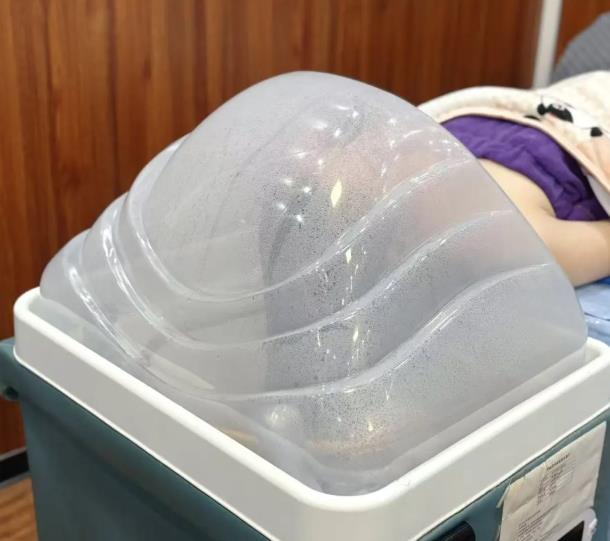
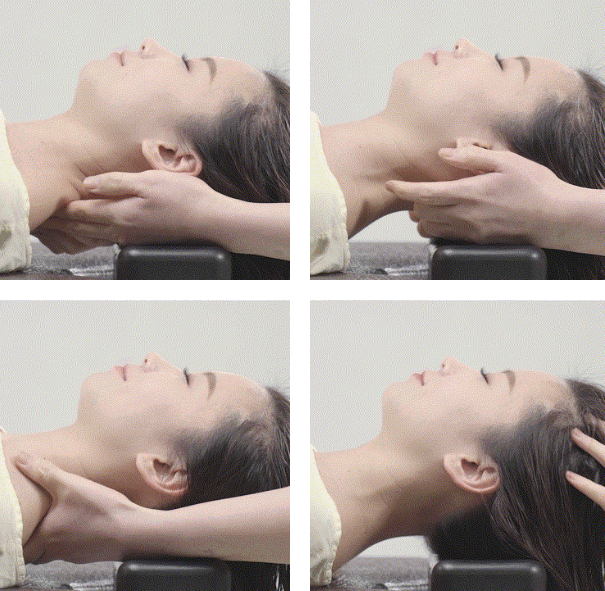
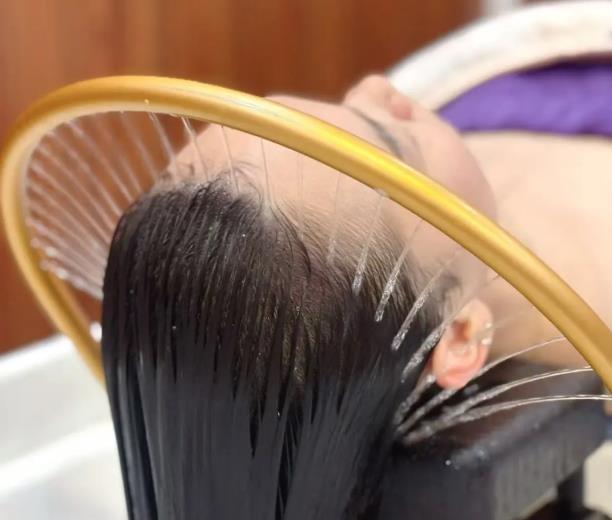
Step 3: Herbal decoction, penetrating through the skin and travelling along the meridians. This step is key. It’s not just applying something on the surface; it allows the herbal power to seep in along the meridians to achieve holistic conditioning. It has the triple value of cleansing, soothing, and nourishing. The warm herbal steam wraps around the head, the tight scalp gradually relaxes, blood circulation opens up, and only then can the hair follicles “eat” again.
Many menopausal women’s first feeling after the treatment isn’t that their hair is smoother—it’s that their scalp feels looser and lighter, and they’re not as irritable overall. With consistent treatment, scalp oiliness slows down, hair loss stabilises, and fine baby hairs may appear along the parting. Of course, everyone’s constitution is different, so results vary. If the hair follicles have been shrinking for a long time, the treatment period will be longer. But at least you’re nourishing from the root, not just messing around.
Daily habits also matter: Don’t stay up late—menopause already makes it hard to sleep well, and staying up late further depletes qi and blood. Eat less spicy and oily food—when damp-heat is heavy, the scalp gets oilier. Avoid frequent perming and dyeing, and don’t scratch your scalp with your fingernails. Don’t wash your hair with water that’s too hot—gentle cleansing is enough.
This article provides general educational information and is not medical advice.