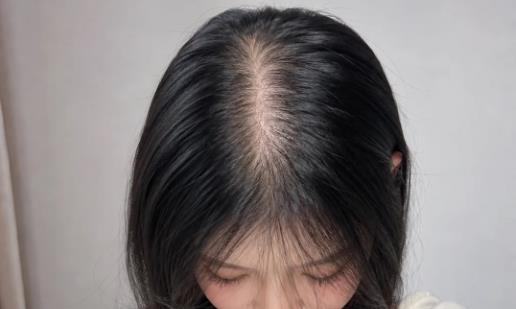
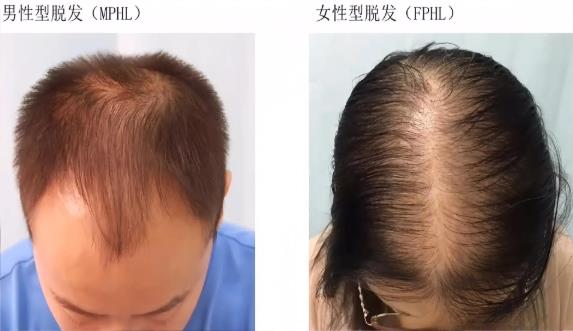
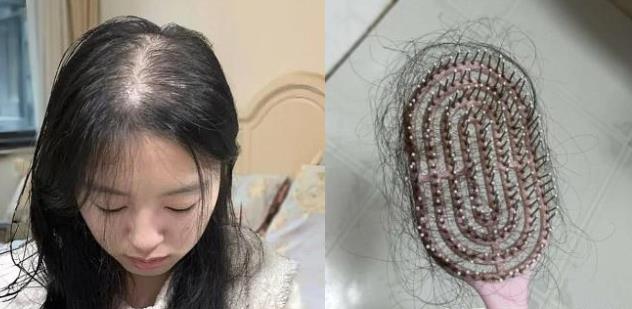
In a place like Singapore, washing and combing your hair every day, looking at the handful of hair falling out, do you start to panic? The hair part gets wider day by day, the hairline quietly recedes, the top of the head gets thinner and thinner, and even when you tie a ponytail, your scalp shows.
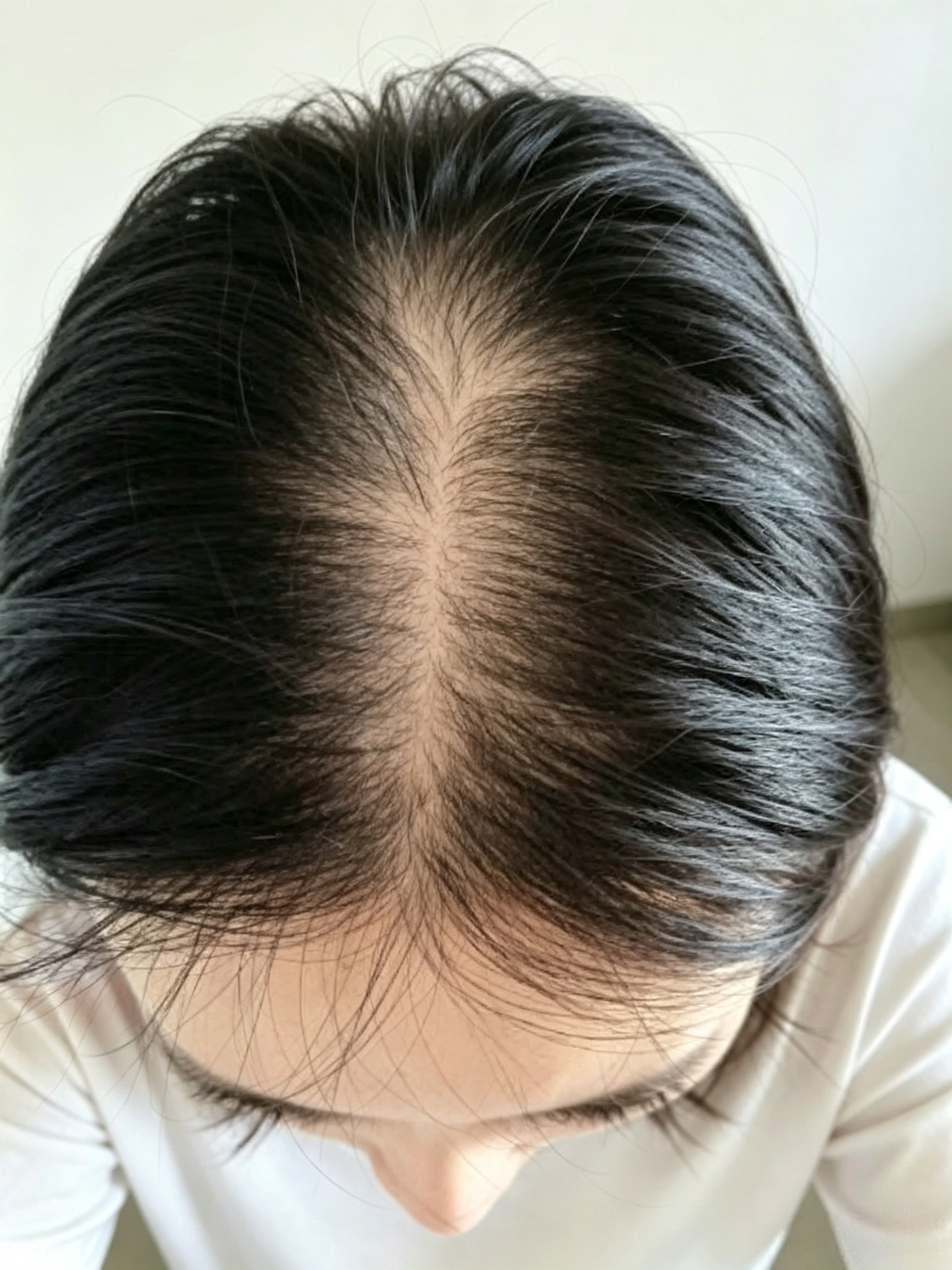
You think it's because you didn't choose the right shampoo, so you switch from supermarket brands to department store brands, from oil control to anti-hair loss. You spend a lot of money, but your hair still falls out. To be honest, hair loss is really not something that can be solved by changing a bottle of shampoo.
Many people, when they first notice hair loss, immediately think of eating black sesame, applying hair growth liquid, and switching to various anti-hair loss products. After going around in circles, there is no effect, and it gets worse. The reason is simple—you haven't found the root of the problem.
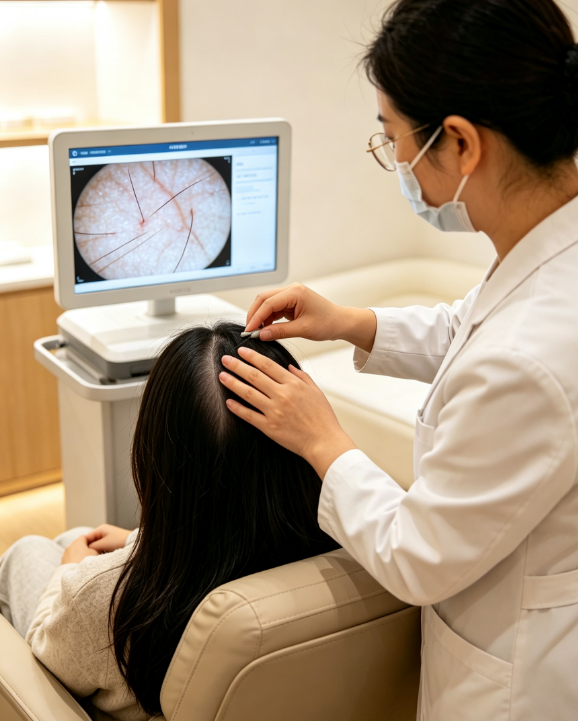
Hair falling out more and growing less, the root is often in the scalp. Common scalp problems are these:
Excess oil secretion. Even though you wash your hair every day, by the afternoon it becomes flat and oily against the scalp. The hair follicle openings are clogged by oil, the hair follicles lack oxygen, and the hair simply cannot grow well.
Scalp sensitivity and inflammation. After washing, the scalp itches, turns red, and even has small bumps. This is a signal that the scalp barrier is damaged, and hair follicles can hardly grow healthily in this environment.
Decreased hair follicle vitality. Long-term staying up late, high stress, and poor nutrition cause hair follicles to enter a "dormant period." More and more hair falls out, but new hair is slow to grow.
Scalp aging. Many people only care for their face, but forget that the scalp also ages. When the scalp loosens, blood circulation worsens, and hair naturally becomes sparse.
These problems cannot be solved by a bottle of shampoo alone. It's like farming: if the soil is compacted, lacks water, and has pests, just spraying water on the leaves won't help the roots take hold.
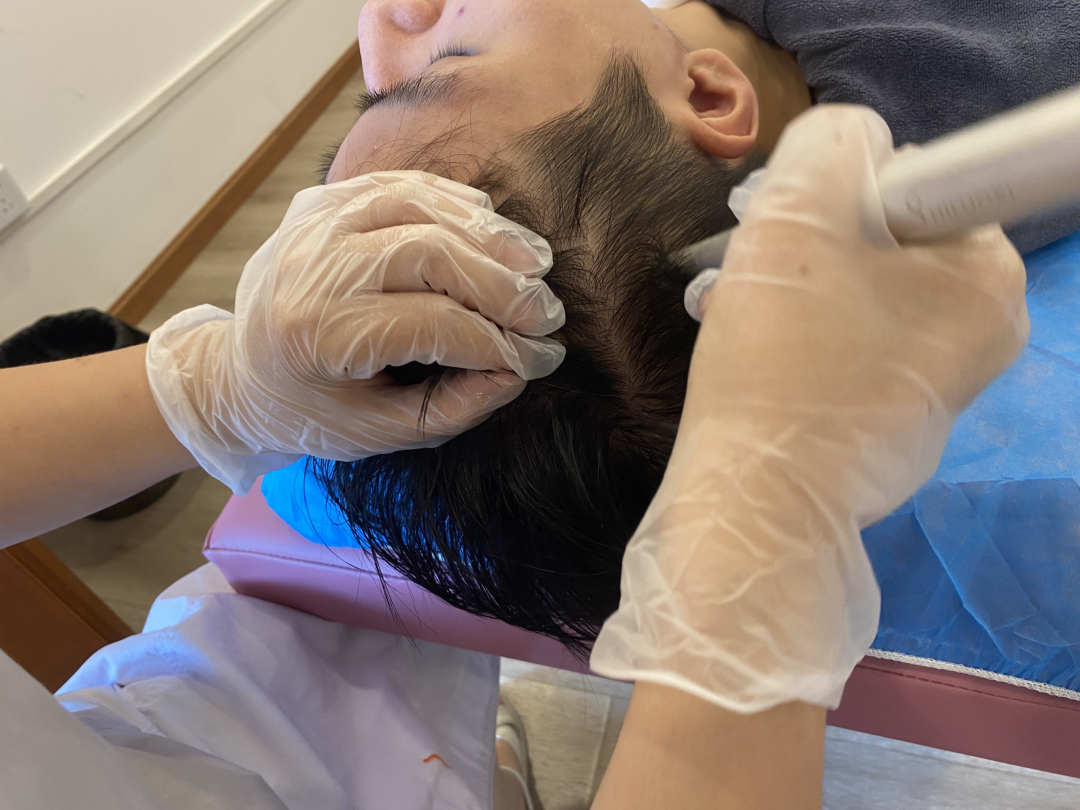
The TSHL Hair Revitalising Therapy™ launched by Singapore Gongfangtang · TSHL Scalp Care Center does exactly this: hair follicle nourishment and hair health management. It does not push a single product, but first uses a professional scalp examination to clearly see your hair follicle vitality, oil secretion, degree of inflammation, and scalp sensitivity. Are your hair follicles clogged or shrunken? Is your scalp oily or sensitive? Once these questions are clear, you know how to care for it.
Then, based on your hair loss type and scalp condition, a personalized care plan is made. Not everyone uses the same method; the focus for oily scalp and sensitive scalp is completely different. The whole process includes deep cleansing, hair follicle nourishment, essence infusion, and soothing conditioning, step by step cleaning up the scalp environment and slowly "waking up" the dormant hair follicles. It does not rely on strong medicine, but on gentle, continuous care, letting the hair follicles recover their vitality on their own.
Suitable for:
Receding hairline, thinning crown, widening hair part
Androgenetic alopecia, postpartum hair loss
Stress-related hair loss, adjunctive management of alopecia areata
Premature graying, fine soft hair, brittle hair
Hair growth, hair strengthening, and root nourishment
Many people who have tried it say that after sticking with it a few times, the most obvious feeling is less hair loss, the drain no longer gets clogged when washing hair, and small fine hairs begin to grow on the top of the head. That feeling of "hair coming back to life" really makes people feel much more at ease.
If you are also in Singapore and troubled by sparse hair and a widening hair part, stop messing around on your own. First come to Gongfangtang · TSHL Scalp Care Center for a professional hair follicle examination, and figure out where the problem actually is. From scalp to hair follicles, awaken healthy growth power. When the direction is right, hair has a chance to grow back.
This article provides general educational information and is not medical advice.