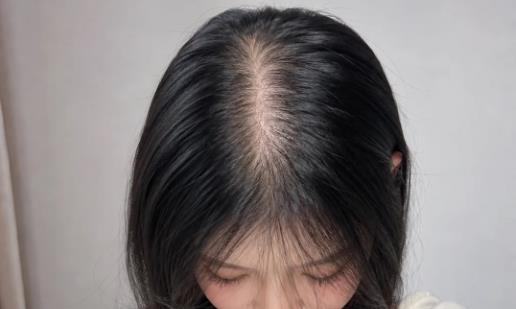
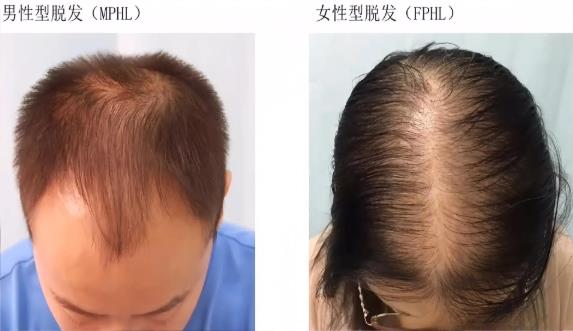
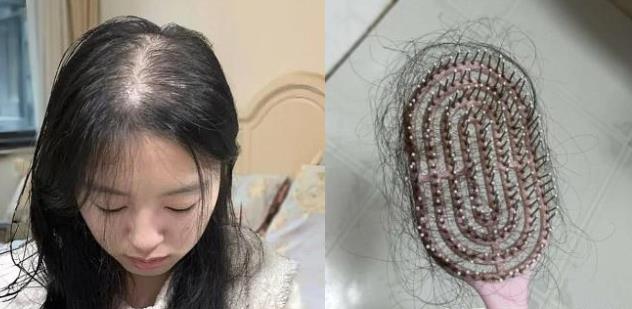
In Singapore's hot and humid weather, many people share the same trouble: hair washed in the morning becomes oily and flat by the afternoon, with bangs sticking in strands. The scalp also itches from time to time. When you scratch, your fingernails are full of white gunk, and fine dandruff can be seen in the part line. When you wear dark clothes out, a layer of white dots falls on your shoulders, which is annoying even to look at.
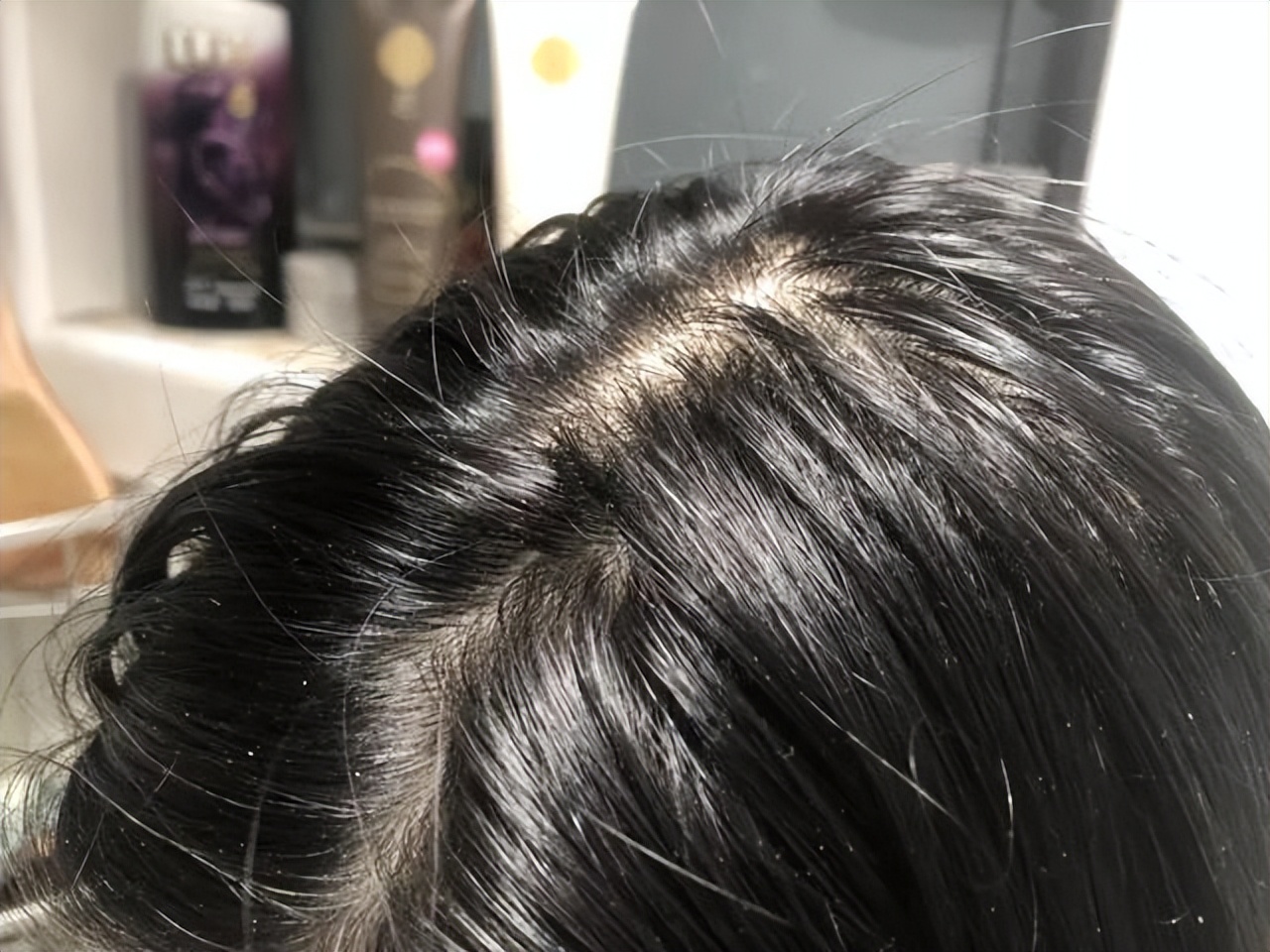
Most people's first reaction is: I didn't buy the right shampoo. So they switch from one oil-control, anti-dandruff, anti-itch shampoo to another. Right after washing, it does feel fresh, but before long, the oil, dandruff, and itch all come back. A lot of money was spent, but the problem was not solved at all.
To be honest, this really isn't necessarily a shampoo problem. Oil and dandruff are often tied together. When the scalp produces too much oil, a type of fungus called Malassezia becomes especially active. It feeds on oil, and the more oil there is, the faster it multiplies. Once it multiplies, scalp keratin sheds faster, and dandruff appears. Once dandruff and the fungal flora get out of balance, the scalp starts to have mild inflammation, and the signal reaches the nerve endings, making you feel itchy. When it itches, you can't help but scratch. Once you scratch, the scalp barrier breaks, and the sebaceous glands get scared and secrete more oil to "protect" themselves. With more oil, it goes back to step one.
So if you only control oil, only remove dandruff, or only stop the itch, it can only work for a while. If the chain isn't broken, it will return to the original state in a couple of days.
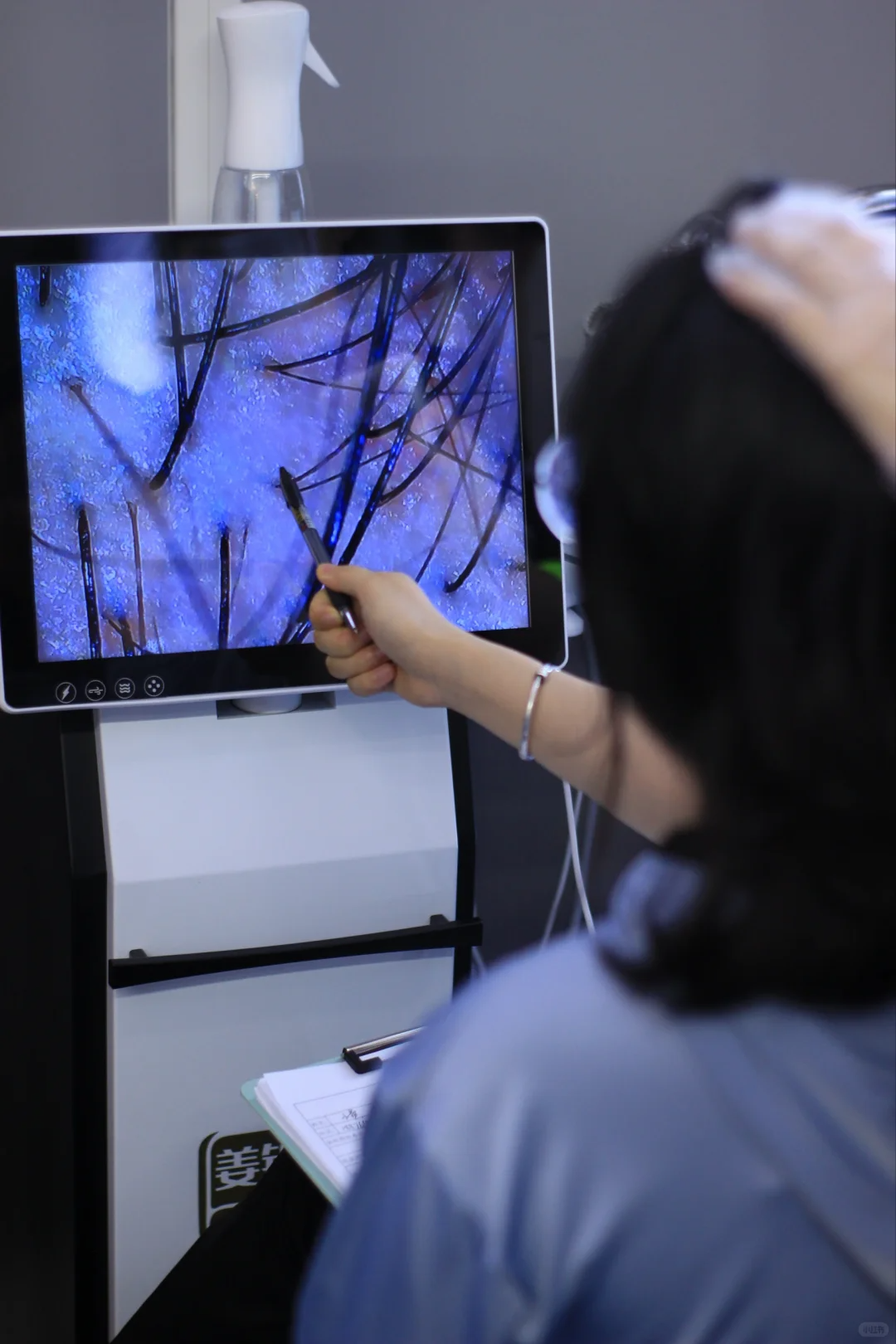
What really needs to be done is to bring the scalp environment back into balance. This is also what Gongfangtang · TSHL Scalp Care Center has always been doing. The TSHL Scalp Purifying Therapy™ (TSHL Scalp Purifying Therapy) they offer has the core principle of "first examine, then classify, then manage," rather than using the same method for everyone.
The first step is an AI scalp examination, magnifying the scalp to see clearly whether you simply produce too much oil, or whether the barrier is damaged; whether it's ordinary dry dandruff, or oily dandruff caused by seborrheic dermatitis; how much the hair follicle openings are clogged, and whether the scalp is red or sensitive. At the same time, TCM syndrome differentiation is combined to see whether internal damp-heat or spleen deficiency with dampness is affecting the scalp condition. Once the problem is clear, you know which direction to adjust.
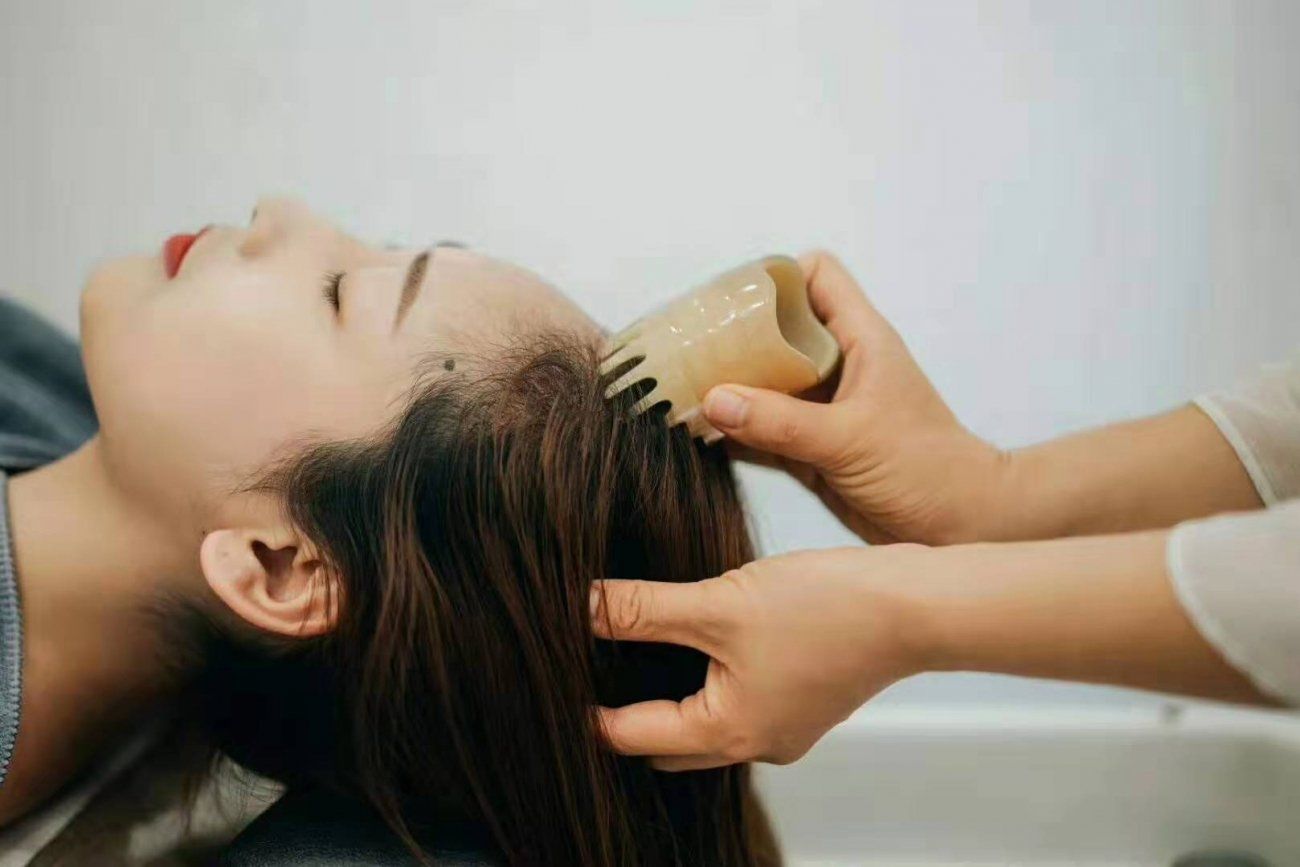
Then come the steps of zone-by-zone purification, scalp soothing, and essence infusion. Areas with more oil are focused on cleansing, while sensitive areas are gently nourished, rather than aggressively washing and scrubbing everything. The most intuitive feeling after doing it is not "washed really clean," but that the scalp is no longer stuffy or itchy, the oil production rhythm is not so fast, and the hair can last one or two more days.
Of course, in-store care is only the beginning. Daily washing and care at home also need to keep up. Based on your scalp condition, they will give advice on home washing and care management, connecting "in-store professional management + home daily care." Otherwise, if the store just fixes it and you go home and use a strong oil-control shampoo again, it's as good as not doing it.
If you are also in Singapore and repeatedly tormented by oily scalp, itchy scalp, and excessive dandruff, stop struggling with shampoos. First come to Gongfangtang · TSHL Scalp Care Center for a professional scalp examination, figure out where the problem actually is, and then decide how to care for it. The scalp and the face are one skin; the face needs good care, and so does the scalp. When the direction is right, care will not be wasted.
This article provides general educational information and is not medical advice.