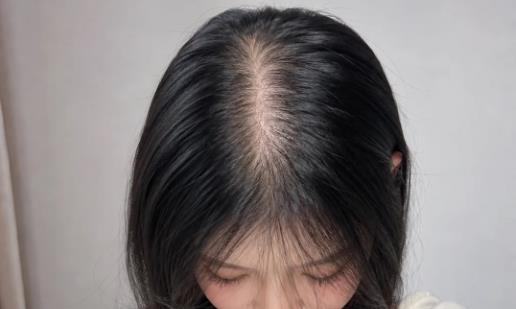
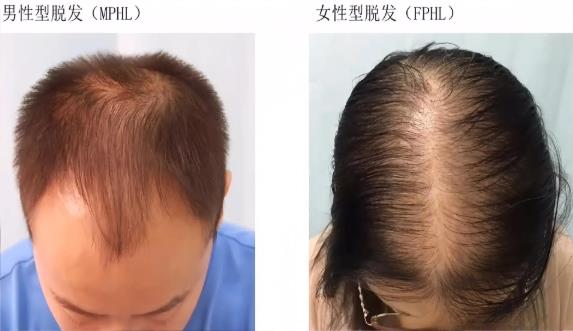
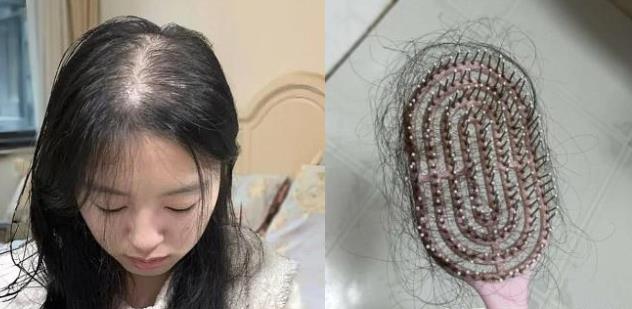
Have you ever felt this way: in Singapore's hot and humid weather, your hair goes flat in less than half a day after washing, and your bangs stick to your forehead in strands. Your scalp itches from time to time, and you can't help but reach up to scratch, only to find white gunk under your fingernails. When you wear black clothes out, a layer of fine dandruff falls on your shoulders, which is embarrassing even to look at.
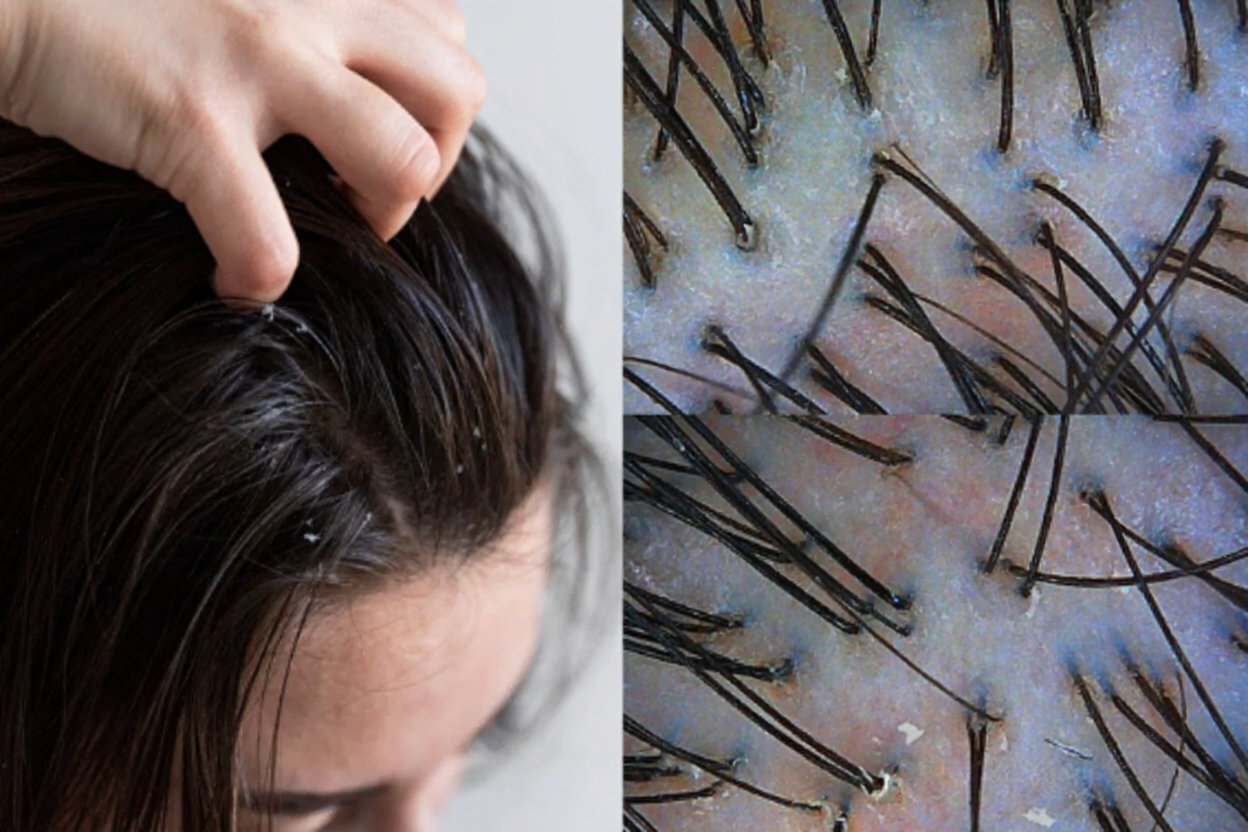
Most people's first reaction is: I didn't buy the right shampoo. So they switch from one oil-control, anti-dandruff, anti-itch shampoo to another. Right after washing, it does feel fresh, but before long, the oil, dandruff, and itch all come back.
Actually, this really isn't the shampoo's fault. Because you still haven't understood one thing: oil, dandruff, and itch are tied together.
When the scalp produces too much oil, Malassezia (a type of fungus that normally lives on the scalp) gets happy. This thing feeds on oil, and the more oil there is, the more wildly it multiplies. Once it multiplies wildly, scalp keratin sheds faster, and dandruff appears. Once dandruff and the fungal flora get out of balance, the scalp starts to become inflamed. Although it's only mild, the signal reaches the nerve endings, and you feel itchy. When it itches, what do you do? Scratch, of course. Once you scratch, the scalp barrier breaks. Once the barrier breaks, the sebaceous glands get scared and quickly secrete more oil to "protect" themselves. With more oil, it goes back to step one.
You see, this is a vicious cycle. So if you only control oil, only remove dandruff, or only stop the itch, it can only work for a while. If the chain isn't broken, it will come back again in a couple of days.
What really needs to be done is not to struggle with one single "screw," but to bring the entire scalp environment back to a balanced state.
This is also what Gongfangtang · TSHL Scalp Care Center has always been doing. The TSHL Scalp Purifying Therapy™ (TSHL Scalp Purifying Therapy) they offer has a very clear positioning: purification and barrier repair for problematic scalps.
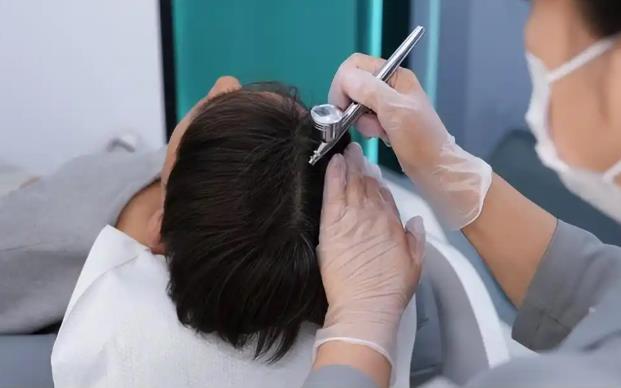
They don't just start scrubbing and washing aggressively. The first step is a scalp examination. Using a high-definition detector to magnify the scalp, they see whether you simply produce too much oil, or whether the barrier is damaged; whether it's ordinary dry dandruff, or oily dandruff caused by seborrheic dermatitis; how much the hair follicle openings are clogged, and whether the scalp is red or sensitive. Once these questions are clear, you know which direction to adjust.
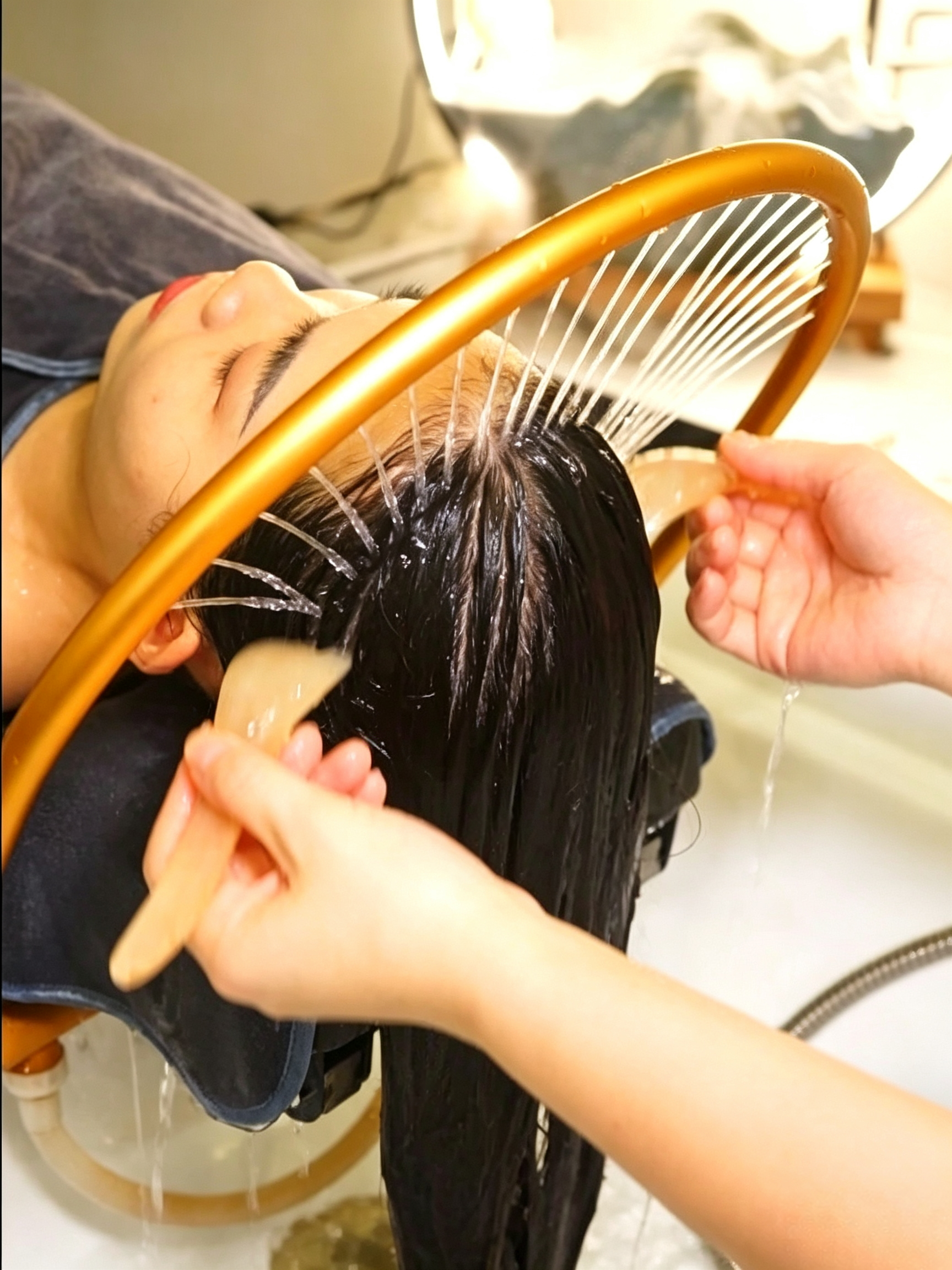
Then comes the whole care process: zone-by-zone purification, gentle cleansing, Chinese herbal cleansing and nourishing, soothing repair, non-invasive essence infusion, and head and shoulder meridian relaxation. Not everyone uses the same set; the focus for oily scalp and sensitive scalp is completely different. The core idea is just one: clear what's clogged, soothe what's inflamed, and slowly restore the damaged barrier.
The most intuitive feeling after doing it is not "washed really clean," but that the scalp is no longer stuffy or itchy, the oil production rhythm is not so fast, and the hair can last one or two more days. With persistent care, the scalp microecology slowly returns to balance, and dandruff and greasiness will truly be reduced.
Of course, in-store care is only the beginning. Daily care at home also needs to keep up. Depending on your scalp condition, you can use GFT nano shampoo, scalp repair essence, and other home care products to connect "in-store professional management + home daily care." Otherwise, if the store fixes it and you go home and use a strong oil-control shampoo again, it's as good as not doing it.
If you are also in Singapore and repeatedly tormented by oily scalp, itchy scalp, and excessive dandruff, stop struggling with shampoos. First come to Gongfangtang · TSHL Scalp Care Center for a professional scalp examination, figure out where the problem actually is, and then decide how to care for it. The scalp and the face are one skin; the face needs good care, and so does the scalp. When the direction is right, care will not be wasted.
This article provides general educational information and is not medical advice.